How to Build a Scent Range for a Candle Gift Set
A gift set does not need many fragrances. It needs a small group that customers can tell apart, that fits the occasion and that can be produced in sensible quantities.
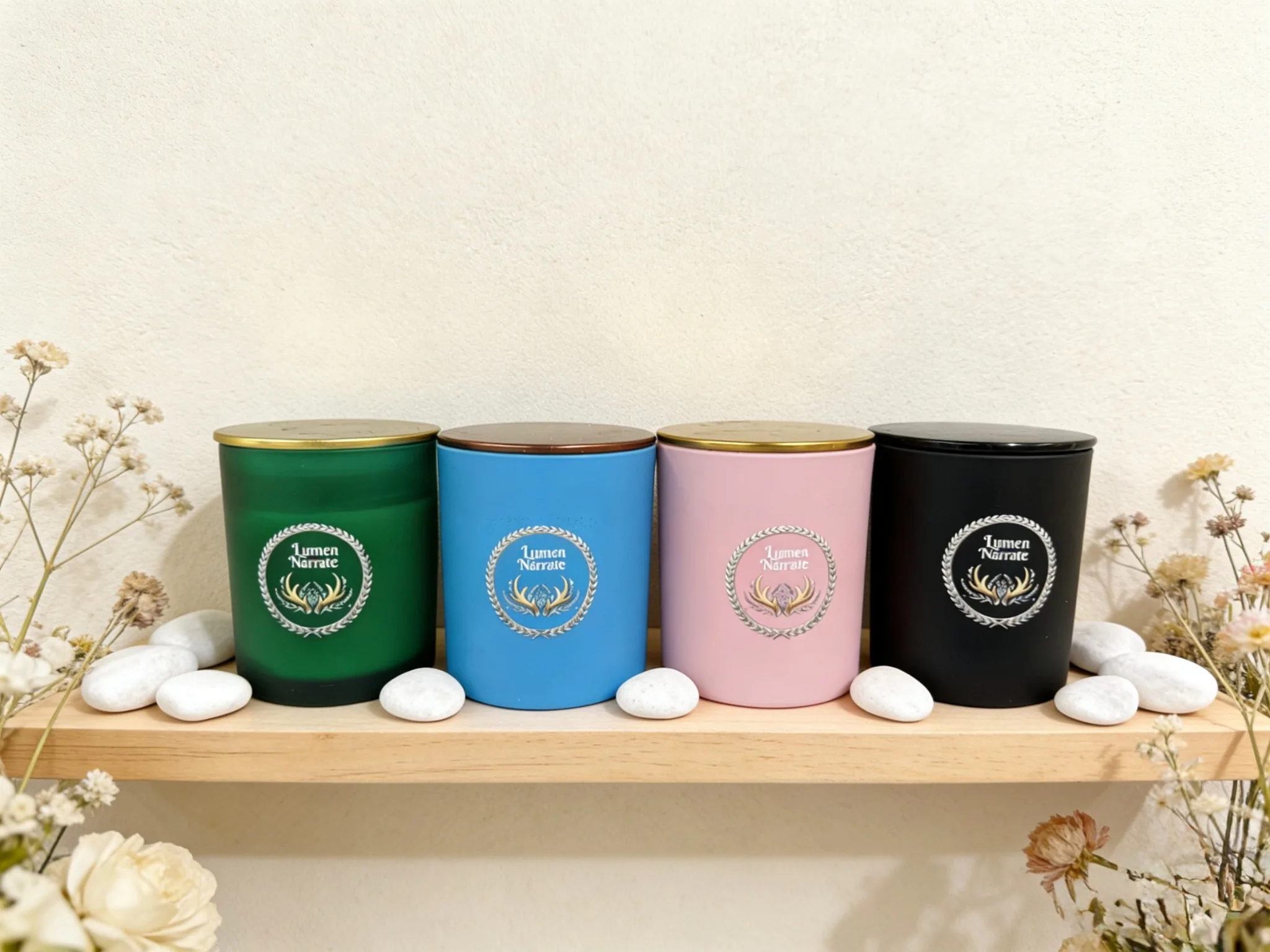
Personal preference matters, but a wholesale collection cannot be built around one person’s favorite note. We normally begin with where the candle will be used and what role each scent plays in the set.
Give each fragrance a clear job
| Direction | Where it often fits | How to brief it |
|---|---|---|
| Fresh | Housewarming, daytime use, bathrooms and workspaces | Tea, citrus or green notes; clean but not sharp |
| Soft | Bedrooms, self-care gifts and quieter evening use | Light floral, soft wood or gentle herbal direction |
| Warm | Autumn and winter gifts, living rooms and holiday sets | Wood, amber-like warmth or restrained spice |
| Rich | Premium evening sets and statement gifts | Deeper wood, layered floral or soft gourmand direction |
These are briefing directions, not fixed formulas. “Fresh tea with light citrus, not sweet” gives the fragrance team more useful boundaries than a list of ten notes copied from different products.
Make the scents different enough to earn their place
If three candles smell nearly the same, the set may look varied but offer little choice. If all three are extreme, the buyer risks creating a collection that is hard to gift. A practical trio could be one fresh scent, one soft scent and one warmer scent, all at a similar intensity.
For a duo, choose contrast: daytime and evening, fresh and warm, or floral and woody. The names, label colors and packaging story should make that difference easy to understand without inventing unsupported benefits.
Keep the first SKU count under control
Every new fragrance becomes a separate finished SKU for sample approval, labels, filling and packing. At a 200-piece-per-SKU starting point, four fragrances normally mean 800 finished candles. A different vessel color, decoration or box can create another SKU or component minimum.
Two to four scents are usually enough for an initial range. The exact number still depends on the quantity, available components and whether the labels and boxes share a design. Add another scent when it fills a real gap in the collection, not simply to make the range appear larger.
Test the fragrance in the actual candle
Fragrance blotters and oil samples are useful for narrowing choices, but final approval belongs in the selected wax, vessel and wick system. Review cold throw, hot throw and burn behaviour using the agreed sample method. A change in fragrance or fragrance load may require another wick check.
For a gift set, also smell the closed package after the products have been packed together. Strong scents can transfer through packaging and make the set feel less distinct.
Match fragrance, naming and packaging
A warm winter scent in a bright summer design creates unnecessary confusion. The collection does not need a long story, but the fragrance direction, product name, label color and box should point in the same direction.
Packaging also affects the commercial plan. A shared box with fragrance labels may be easier to order and reorder than a separate printed box for every scent. If the retailer needs each scent to look distinct on shelf, build that difference into the artwork system from the beginning.
What to send for fragrance recommendations
- occasion and sales season;
- number of candles or products in the set;
- quantity per fragrance;
- preferred directions and notes to avoid;
- reference product or physical scent sample, if available;
- candle format, wax preference and target intensity;
- destination market and required sample date.
If the set is part of a first private label order, read the small-business candle launch guide. The sampling guide explains what should be recorded before bulk production.
Need a focused scent shortlist?
Send the occasion, candle format, quantity per scent and two or three directions you like. We can discuss a manageable sample plan for the collection.
Send Your RFQ View Candle Formats